

The storage of chemicals is one of the most crucial duties in all factories or businesses. When the materials are stored in the wrong location or in the wrong containers, the consequences can be severe – not only the surprise spills and fire, but also create health risks for your team and the possibility of having legal migraines. This is what makes good acid storage cabinets or cabinets for chemicals very important. It safeguards individuals, ensures business operations run without interruptions, and assists you in being on the right side of the regulations.
In this post, we will create a straightforward, direct checklist that is originally tailored to facilities just like yours. You will know what exactly to check, what kind of cabinet makes sense in context to different materials and how to prevent the most frequent issues. At the end, you will also have a simple plan which you can implement immediately.
What Is Chemical Storage Compliance?
Chemical storage compliance consists entirely of ensuring hazardous materials are stored safely in the right place, with the right equipment and the right procedures. It safeguards your workers, guards against damage to your building and also assists you in meeting Canadian safety expectations. Imagine it as the construction of a quiet safety net that takes silent operation in the backdrop, so that you concentrate on the other activities of your business.
Key Chemical Storage Regulations in Canada
Canada has clear regulations that all facilities dealing with chemicals must follow. These directions are present to ensure that all people are kept safe and know what to expect. It is not as hard as it appears to remain on top of them, and it is rewarded with peace of mind.
- WHMIS requirements ensure that all containers are well labelled and safety data sheets are available so that your team is well aware of what they are working with and remains safe.
- The symbols and words used in GHS labelling standards are easy to read regardless of the origin of the chemicals, and this means that confusion is never experienced.
- Fire codes and general safety guidelines explain how cabinets must be built, where they belong, and what fire protection they need to keep things secure.
- Importance of staying updated with regulations means taking a quick look at the latest National Fire Code of Canada now, and then so your setup never falls behind.
 Complete Chemical Storage Compliance Checklist
The best part about a good checklist is how simple it makes your job. You can walk through your storage area once a month, check these points, and fix small issues before they become problems. Here is the practical list we recommend every facility use.
- Proper Labelling and Hazard Identification: Every container needs fresh WHMIS labels with bright, easy-to-see hazard symbols. If a label starts to peel or fade, replace it right away so no one has to guess what is inside.
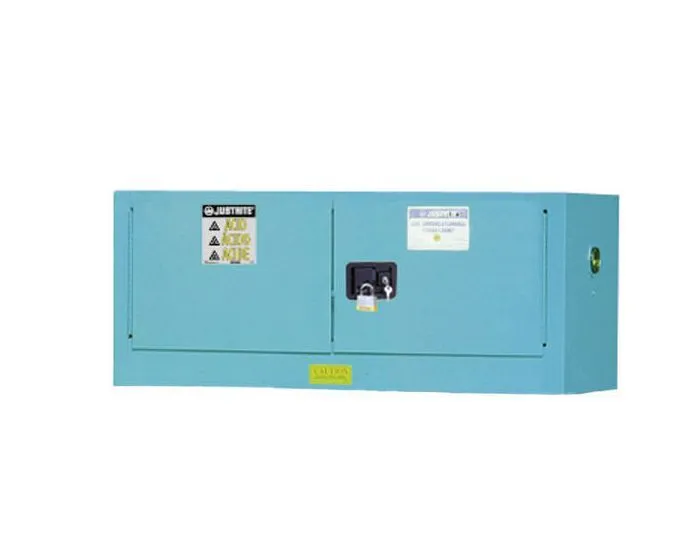
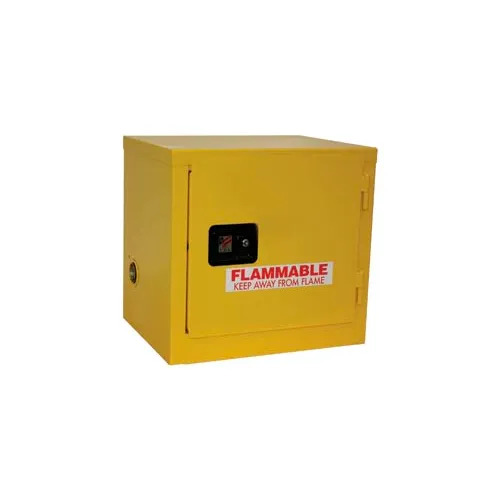
- Use of Appropriate Storage Cabinets: Pick acid storage cabinets when you are dealing with corrosive materials, and flammable safety cabinets for anything that can catch fire easily. Always match the cabinet for chemicals to the actual hazards you have on site.
- Chemical Segregation and Compatibility: Keep chemicals that do not get along in completely separate areas. Acids stay away from bases, and flammables have their own space, so nothing reacts unexpectedly.
- Ventilation and Fire Safety Measures: Make sure the storage spot has good airflow where it is needed, and always use fire-resistant cabinets. Keep everything far from sparks, heaters, or anything that could start a fire.
- Storage Limits and Organization: Never stuff a cabinet too full and leave breathing room between containers. Store heavier items lower down so they are stable and easy for your team to reach safely.
- Cabinet Condition and Maintenance: Take a close look for any rust, drips, or dents during regular checks. Make sure doors close tightly and locks work every single time.
- Safety Documentation and Accessibility: Keep your safety data sheets in a spot everyone can find quickly and maintain a simple up-to-date list of what you have in storage.
- Employee Training and Safety Practices: Give your team clear training on how to handle these materials and what to do if something goes wrong. Remind them to use the right personal protective equipment every time.
- Emergency Preparedness: Place spill kits and fire extinguishers close by and keep all exits free of clutter so help can arrive fast when it is needed.
Featured Chemical Storage Solutions by Compliance Solutions
Sometimes the right equipment makes all the difference. At Compliance Solutions Canada Inc., we carry practical cabinets that fit real workplaces. Here are four popular choices that many of our customers use every day.
- Drum Storage Flammable Safety Cabinets are built for holding large flammable liquid drums safely upright. They use strong, welded steel, have extra fire protection inside, and include a solid latch and vents that help control heat while still letting you get to the drums easily.
- Stackable Corrosive Cabinets solve the problem when you are short on floor space. These sturdy steel units stack neatly on top of each other, have leak-proof bases, and include vents so corrosive materials stay contained without spreading across the room.
- Standard Pesticide Cabinets give you dependable storage for pesticides and similar products. The double-wall steel construction, flame-arresting vents, and easy-to-clean trays make daily use simple and keep everything secure.
- Agri-Chemical Storage Lockers are perfect for outdoor or farm settings. They come with shelves, interior lighting, and built-in spill containment so pesticides, herbicides, and fertilizers stay protected from weather and from anyone who should not be near them.
 When to Upgrade Your Storage Solutions
Facilities grow and change, and your storage needs grow with them. Here are some clear signs it might be time to look at better options.
- When cabinets are insufficient in size or starting to show wear, it becomes harder to keep everything organized and up to standard.
- The need for a hazardous material storage building comes up when your indoor cabinets cannot keep pace with the amount of chemicals you now handle.
- Scaling storage for larger facilities often means adding more capacity and better ways to separate different types of materials safely.
- When regulations or processes change, older cabinets may no longer match the latest fire codes or the new materials you are using.
Why Compliance Solutions Canada Inc Stands Out
We have been helping facilities like yours for years with honest advice and solid equipment. Our team knows the difference a well-chosen cabinet for chemicals can make and can point you toward hazardous material storage building options when your needs get bigger. We focus on practical solutions that fit your actual workday, not just the rule book.
Bottom Line:
In order to be safe as a team and to protect the facility as well as show concern about safety, it is important to follow a good chemical storage compliance checklist. However, by having the right flammable safety cabinets, acid storage cabinets and good practices to maintain in day-to-day operations, you can mitigate the risks and run your business without stress.
Why not take a few minutes today and visit your storage area with this checklist? If you would like help choosing the best solutions for your site, the team at Compliance Solutions Canada Inc. is ready to assist. Visit our website for more details!
FAQs
Q1. What is required for chemical storage compliance in Canada?
Clear WHMIS and GHS labels, approved cabinets, proper chemical separation, and regular inspections to meet fire codes and workplace rules.
Q2. How often should chemical storage be inspected?
Quick visual checks monthly, plus full documented inspections every three months to spot problems early.
Q3. What type of cabinet is required for flammable chemicals?
Fire-rated flammable safety cabinets that meet standards for secure, resistant storage of liquids.
Q4. Do all facilities need hazardous material storage cabinets?
Most spots handling hazmat use cabinets for chemicals or larger buildings to keep things safe.
Q5. How do I choose the right cabinet for corrosive materials?
Pick corrosion-resistant acid cabinets sized for your volume, with good ventilation for acids and bases.
