
Safe storage is no longer limited to locking hazardous products away. Material choice plays a major role in long-term safety, durability, and day-to-day reliability. In demanding facilities, the wrong cabinet can corrode, weaken or react poorly to harsh conditions. That is one reason Metal-Free Poison Cabinets have become a practical choice for modern chemical cabinet storage.
Workplaces handling toxic substances need storage systems that support safety, durability and clear organization.
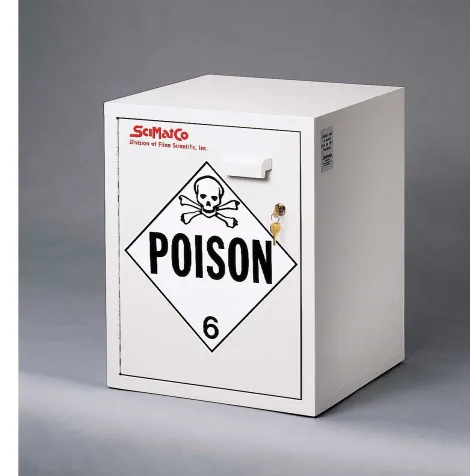 What Are Metal-Free Poison Cabinets?
Metal-Free Poison Cabinets are purpose-built storage units designed for poisonous or hazardous substances in settings where exposed metal may rust, corrode, or react over time. Their non-metal construction makes them suitable for environments where chemical vapours, moisture, or frequent cleaning can create problems for standard cabinets.
Why Metal-Free Construction Matters
Harsh storage conditions can wear down conventional materials faster than expected. A non-metal chemical safety cabinet offers a more stable option in areas where corrosion is a constant concern. Non-metal designs also reduce the chance of material breakdown caused by humidity or repeated chemical exposure.
A few reasons this construction stands out include:
- Strong resistance to rust and surface corrosion.
- Better performance in damp or chemically active areas.
- Less maintenance over time.
- Longer service life in sensitive storage zones.
Facilities do not want storage units that degrade quickly or create additional upkeep demands.
The Role of These Cabinets in Safer Chemical Cabinet Storage
Proper cabinets help isolate toxic substances, support segregation, and reduce the chance of accidental contact. A lockable poison storage cabinet also adds an important level of access control, especially in regulated workplaces.
Clear separation matters in labs, maintenance rooms, healthcare settings, and industrial sites. Organized storage supports safety standards stated by the WHMIS and OSHA and makes daily routines easier for staff.
Key Benefits of Metal-Free Poison Cabinets for Hazardous Storage Areas
The strengths of Metal-Free Poison Cabinets in real operating environments include:
- Corrosion resistance in high-exposure spaces, especially where humidity, washdown activity, or chemical fumes are common.
- Improved durability and lower maintenance, which can reduce repair needs and replacement frequency.
- Safer segregation of toxic substances through dedicated chemical cabinet storage.
- Strong suitability for laboratories, industrial facilities, agriculture, and healthcare locations where poison storage is required.
Many facilities use them alongside other storage systems. A flammable cabinet may be needed for combustible liquids while a hazardous material storage building can support larger scale site storage. Separate solutions for separate hazards usually lead to better control.
Metal-Free Plywood Poison Cabinets for Reliable Chemical Cabinet Storage
Metal-free plywood poison cabinets offer a dependable option for hazardous storage in controlled environments. Built from non-metallic materials, they help reduce concerns linked to rust, corrosion and chemical reaction. Their design suits workplaces that need safe storage without relying on exposed metal components.
These cabinets are often chosen for labs, healthcare facilities, agricultural operations and industrial work areas. Flexible interior space and secure access make them useful for storing different chemical containers while keeping toxic materials isolated and organized.
A well-designed laboratory poison storage cabinet also supports cleaner workflows in settings where order and safety are closely linked.
Product key features:
- Non-metal construction suited to corrosion-resistant chemical storage.
- Adjustable shelves for different container sizes.
- Lockable doors for controlled access.
- Durable plywood body for long-term use.
- Suitable for sensitive environments where metal cabinets may be less practical.
How to Choose the Right Metal-Free Poison Cabinets for Your Facility
Selecting the right cabinet begins with a close look at storage needs and site conditions.
Match Cabinet Size to Inventory Needs
Cabinet size should reflect both current inventory and expected usage. Crowded shelves create handling problems and can make segregation harder. Review container sizes, total volume and how often stock levels change.
Assess Environmental Conditions
Room conditions influence cabinet performance more than many buyers expect. Humidity, ventilation, nearby chemical activity and spill exposure should all be considered. Metal-Free Poison Cabinets are often preferred in areas where moisture and corrosive exposure are part of normal operations.
Review Safety and Compliance Requirements
Storage equipment should align with internal safety protocols and relevant regulations. Clear labelling, restricted access, and logical chemical separation all support better storage practices. Buyers should also consider how the cabinet fits into wider site safety procedures.
Prioritize Practical Chemical Cabinet Storage Features
Useful features often make the biggest difference in daily use:
- Adjustable shelving for flexible storage.
- Strong locks for restricted access.
- Easy-to-clean surfaces.
- Visible labelling areas.
- Layouts that support quick identification and safer handling.
Facilities storing multiple hazard classes may also need a nearby flammable cabinet or larger dedicated systems for other material types.
Conclusion
Choosing the right Metal-Free Poison Cabinets can support safer handling, lower maintenance demands, and longer-lasting chemical cabinet storage in environments where standard materials may not perform well.
Businesses looking for specialized hazardous storage solutions can explore Compliance Solutions Canada for dependable options, including metal-free plywood poison cabinets built for demanding applications.
Find the right cabinet for your facility and take the next step toward safer storage today.
FAQs
1) What are metal-free poison cabinets used for?
They are used to store poisonous or hazardous chemicals in spaces where corrosion resistance and secure access are important.
2) Are metal-free poison cabinets better than traditional metal cabinets?
In humid or chemically aggressive areas, they are often a better fit because they resist rust and typically need less upkeep.
3) Where should chemical cabinet storage be installed?
It should be placed in a controlled, well ventilated area that supports safe access, labelling visibility and site compliance.
4) What industries commonly use metal-free poison cabinets?
Laboratories, healthcare facilities, agriculture, manufacturing and industrial maintenance sites commonly use them.
5) How do I choose the best poison cabinet for hazardous chemical storage?
Review cabinet size, material compatibility, locking features, environmental conditions and your safety requirements before buying.
